Cash outflow refers to the movement of cash or cash equivalents out of a business or individual’s account. It can include various expenses, payments, or investments that result in a decrease in available cash. One example of cash outflow is the purchase of inventory or supplies required for business operations, affecting the cash position and inventory management. Analyzing cash outflows assists in informed decision-making processes related to investments, expenses, and financing options within a business.
Operating expenses, debt, and liabilities all play a role in cash outflow. Pricing decisions influence cash inflow by affecting the volume of sales and the profit margins on goods and services sold. Changes in consumer demand can significantly impact sales revenue, directly affecting cash inflow from operations.

If a company issued stock Bookkeeping for Painters or bonds during the period, the proceeds would show up as an inflow. If the company bought back stock or had bonds mature during the period, the payments would show up as an outflow. Cash flow is calculated by adding any cash that came into the company over a period of time, and subtracting any outflows of cash over the same period. If a company brought in more cash than it paid out, it had positive cash flow over the period. If a company paid out more cash than it brought in, then it had negative cash flow over the period. Therefore, continue reading as we walk you through examples of cash inflows and outflows, how to analyze your cash inflow vs. outflow, and how to better manage your funds moving forward.
If you consistently have a positive cash flow, then your cash flow trends are positive. Having more cash inflow than cash outflow signals a healthy, mature business. The key to continued operations and growth is ensuring that the money coming in exceeds your expenses. Free cash flow (FCF) represents the amount of cash left over after all normal operating activities and investments necessary to maintain a business’s capital assets have been accounted for. This could be from sales, investments, loans, and grants, or interest on cash holdings. Understanding your inflows is important because it allows you to make sure that regular payments can be made to creditors and any bills your business will have in the future.
Meanwhile, suppliers require payment within 30 days for new inventory purchases. If a company is not managing its cash outflow effectively, it can lead to several consequences. One of the most serious consequences is that the company may not have enough cash to meet its obligations. It helps businesses ensure that the operating activities are within their budget and make informed financial decisions.

Every invoice you receive creates a future payment obligation, and how you manage those obligations directly affects your short term cash position. By understanding the formulas, avoiding common mistakes, and implementing practical strategies, https://www.bookstime.com/ you can gain control of your finances and pave the way for sustainable growth. Start by analyzing your current cash flow statement and identifying areas where you can improve. Utilize the tools and software mentioned above to streamline your processes. Interest rate changes can alter cash outflows for firms, especially those with considerable debt obligations.
The aggregate of the pertinent components will provide the total cash outflows for your business. Calculating total cash outflows from all the activities is quite simple. All you need to do is calculate cash outflow from each of cash inflow vs outflow the activities individually and then add all the activities to get the desired figure. Cash flow from financing activities relates to funds spent to finance the company and its operations.
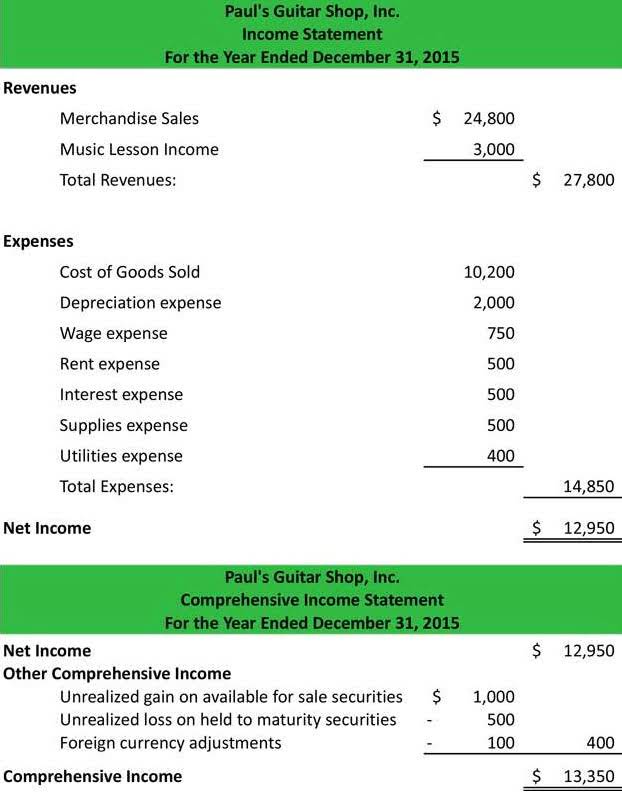
These expenses are categorized in the cash flow statement and can impact a company’s available cash, although they may not always directly affect profit. Companies aim to manage and control their outflows to improve their financial stability. Operating cash flow is the flow of cash after accounting for operating activities and operating costs.

Tenderbase empowers businesses to find and win public sector tenders in the UK. With a user-friendly platform, personalized dashboards, and expert support, we simplify the tender process and fuel business growth. Join us and unlock the potential of Public Sector contracts for your success.
LEARN MORELooking for guides, articles or something more specific? Browse all our posts by topics


Looking for guides, articles or something more specific? Browse all our posts by topics.
Tender Search
Important Information
Get to know more about our latest features.
Social Links :