Everything UK and Irish suppliers need to know before they apply
If you sell to the public sector, you will come across the term DPS sooner or later. A Dynamic Purchasing System is one of the most accessible routes into public contracts because, unlike most framework agreements, it stays open to new suppliers. This guide explains what a DPS is, how it works, how it compares with a framework agreement, what has changed under the Procurement Act 2023, and how to get listed and start winning work.
Key takeaways
What Is a Dynamic Purchasing System (DPS)?
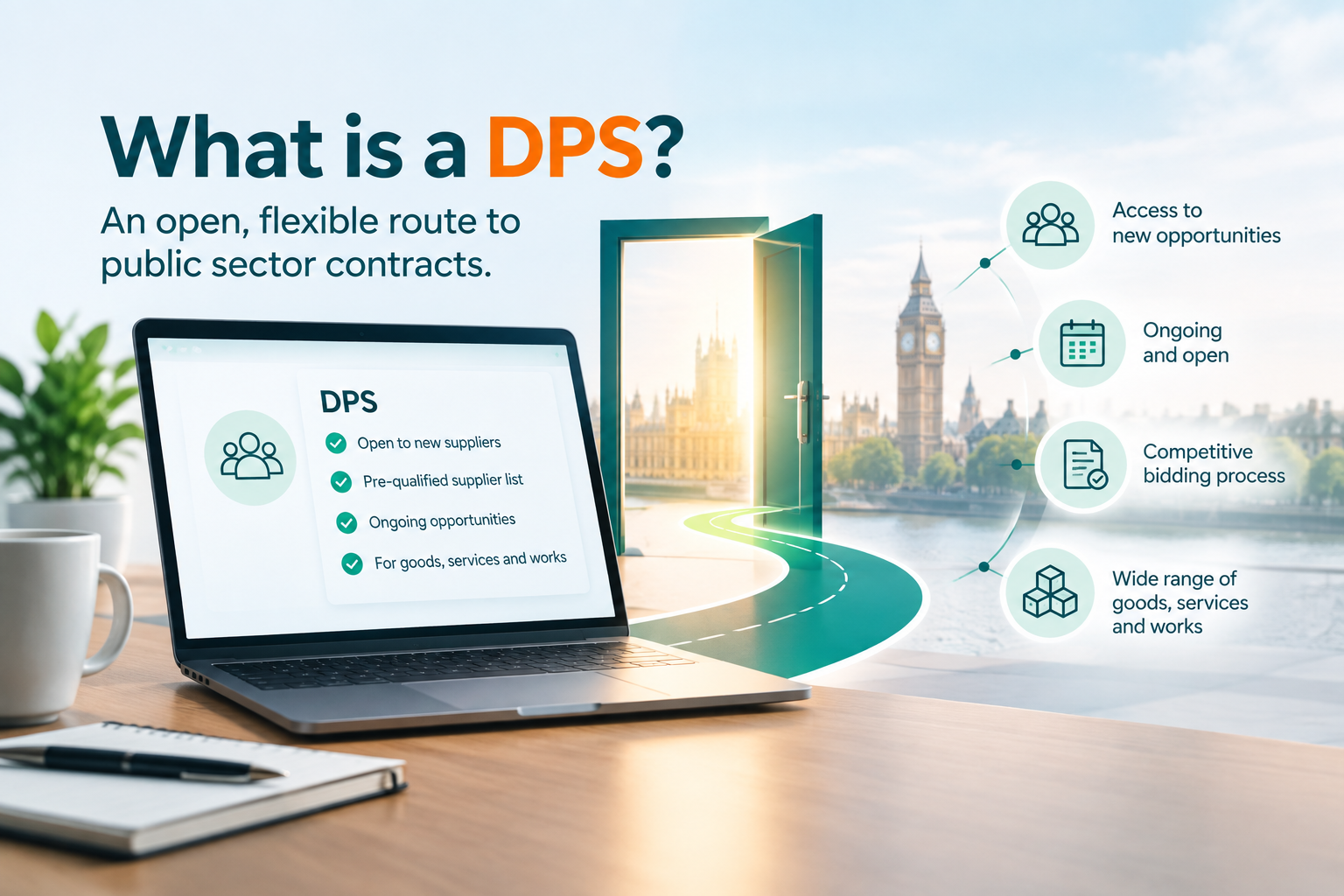
A Dynamic Purchasing System (DPS) is a procurement tool that lets public sector buyers build a pool of pre-approved suppliers for goods, services or works that are commonly available on the market. Suppliers who meet the entry criteria are admitted to the system, and the buyer then invites members to compete for individual contracts as needs arise.
What makes a DPS distinctive is in the name: it is dynamic. New suppliers can apply at any point while the system is live, whether that is day one or year three. There is no cap on the number of members, and the whole process runs electronically. Compare that with a traditional framework agreement, where the supplier list is normally fixed once the agreement is awarded.
In practice, that means a missed framework is not always a missed opportunity. If a DPS covers similar work, you may still be able to join today.
DPS vs Dynamic Market: What Changed Under the Procurement Act 2023?
The Procurement Act 2023 came into force in the UK on 24 February 2025 and replaced the Public Contracts Regulations 2015 for new procurements. Under the Act, the DPS is replaced by the dynamic market. For suppliers, the main points are:
In Ireland, public procurement is still governed by regulations implementing EU Directive 2014/24/EU, so the DPS remains the term you will see there. Throughout this guide we use “DPS” because it is what most suppliers search for, and we flag where dynamic markets differ.
How a DPS Works, Step by Step
Remember
Joining a DPS does not guarantee work. It gives you the right to bid. The real competition happens at the mini-competition stage.
DPS vs Framework Agreement: Key Differences
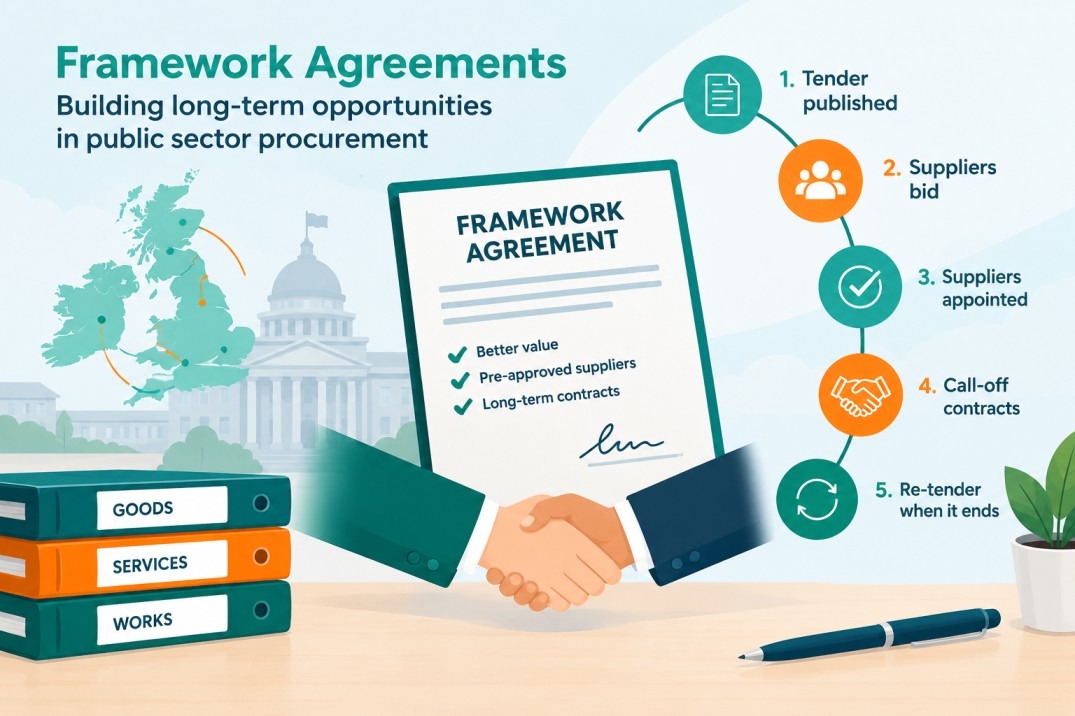
The two are often confused because both pre-qualify suppliers for recurring public sector needs. They behave very differently, however:
| DPS (legacy) | Dynamic market (Procurement Act 2023) | Framework agreement | |
| New suppliers can join later? | Yes, at any time | Yes, at any time | Usually no, unless it is an open framework |
| Time limit | Set by the buyer; can be open-ended | No fixed maximum; duration stated in the notice | Generally, up to 4 years (8 for defence, utilities and open frameworks) |
| Number of suppliers | Unlimited | Unlimited | Often capped |
| Scope | Commonly available goods, services and works | Any goods, services or works | Any, including complex or bespoke needs |
| How work is awarded | Competition among members | Competition among members | Direct award or mini-competition, depending on the framework terms |
If you are new to public sector selling, a DPS is often the friendlier entry point, because the door does not close. Frameworks take more upfront effort to win but can deliver longer-term, repeat work. Many successful suppliers use both. For a full breakdown, see our guide to framework agreements.
Benefits and Drawbacks of a DPS for Suppliers
Benefits
Drawbacks
What Kinds of Contracts Use a DPS?
DPS arrangements work best for fairly standard goods and services in fast-moving markets, and are especially common among local authorities and the NHS. Typical categories include:
How to Join a DPS
How to Win Work Once You Are In
Getting listed is the easy part. Winning contracts is where the effort goes. The suppliers who do best tend to follow the same habits:
Common DPS Mistakes to Avoid
Frequently Asked Questions About DPS
What does DPS stand for in procurement?
DPS stands for Dynamic Purchasing System. It is an electronic procurement tool that keeps a list of pre-approved suppliers open to new applicants throughout its life.
Is a DPS the same as a framework agreement?
No. A DPS stays open to new suppliers and has no supplier cap, whereas a traditional framework normally closes to new entrants after award and is generally limited to four years.
Is it free to join a DPS?
Applying is generally free. Some buyers or central purchasing bodies charge a management fee on contracts awarded, so check the terms before you apply.
Can a small business join a DPS?
Yes. DPS entry requirements are usually proportionate and the systems are designed to be accessible, which makes them a popular route for SMEs.
How long does it take to be admitted to a DPS?
Buyers typically assess applications within around 10 working days, although timelines can vary with the complexity of the system and the buyer’s terms.
Are DPSs still used after the Procurement Act 2023?
Existing DPSs can continue until they expire, and all legacy systems must end by early 2029. New procurements in the UK use dynamic markets instead.
Where can I find DPS opportunities?
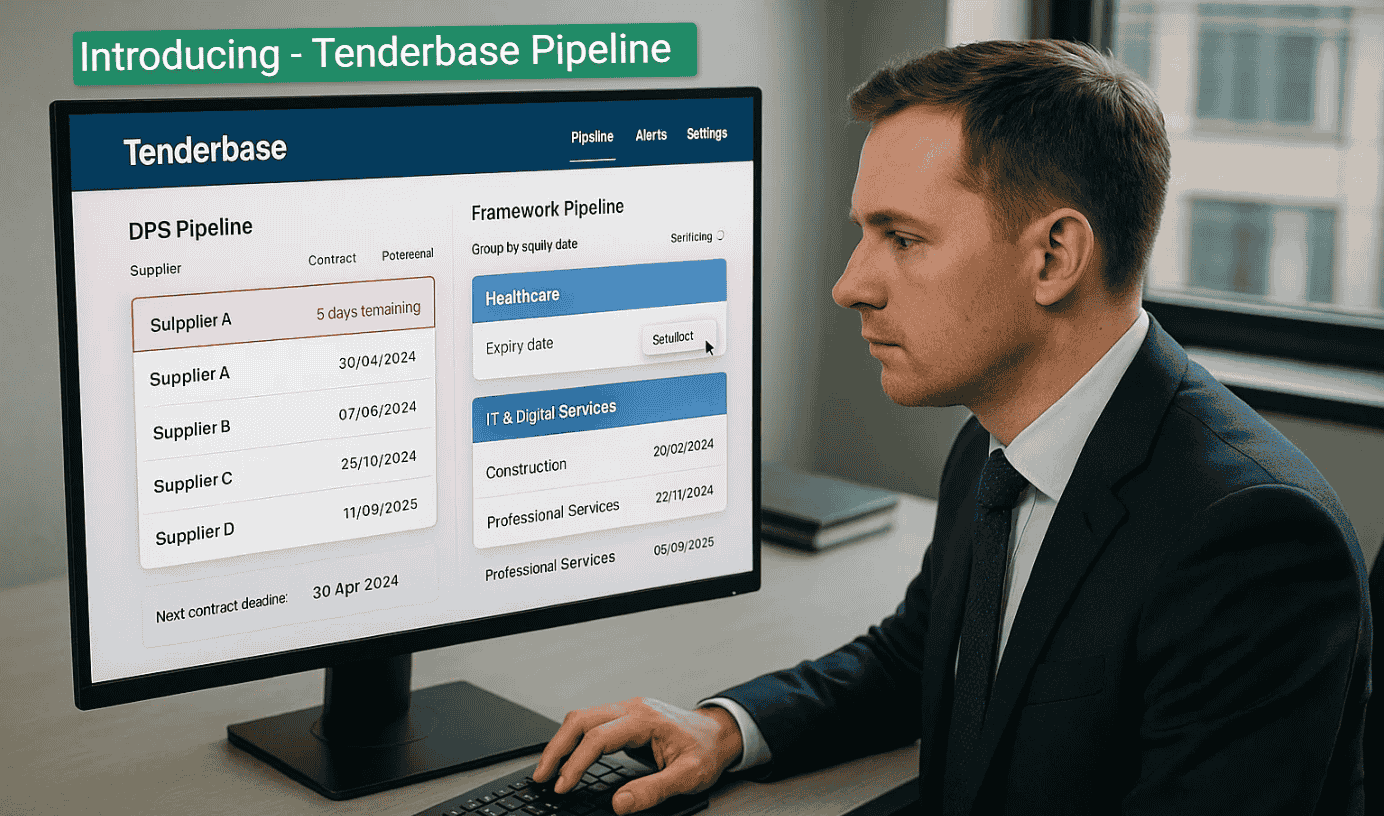
Look on Find a Tender and Contracts Finder in the UK, eTenders in Ireland, and individual buyers’ portals. A tender intelligence platform like Tenderbase brings these together and alerts you to relevant systems.
The Takeaway
A DPS gives suppliers an ongoing, always-open route into public sector contracts, without the closed-door nature of a traditional framework. Whether you meet it as a legacy DPS or a new dynamic market, the winning formula is the same: get listed, stay compliant, and treat every mini-competition seriously.
Find your next opportunity with Tenderbase
Tenderbase helps businesses find, track and win public sector contracts across the UK and Ireland, with Tender Management, Market Insights and Bid Services in one platform. Visit tenderbase.co.uk to get started.
Tenderbase empowers businesses to find and win public sector tenders in the UK. With a user-friendly platform, personalized dashboards, and expert support, we simplify the tender process and fuel business growth. Join us and unlock the potential of Public Sector contracts for your success.
LEARN MORE
Technical
 Technical
Looking for guides, articles or something more specific? Browse all our posts by topics


Looking for guides, articles or something more specific? Browse all our posts by topics.
Tender Search
Important Information
Get to know more about our latest features.
Social Links :